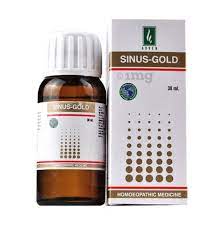
Adven Sinus Gold Drop -30 ml
$8.97
Adven Sinus Gold Drops Provide relief from nasal blockage. It cures headache and congestion while treating nasal polyp, acute/chronic sinusitis. It gives relief and helps in sneezing, blocked nose, and cheek pain related to sinus problems.
19 people are viewing this product right now
🔥 7 items sold in last 3 hours
Acute sinusitis is the inflammation of membranes in the walls of your nose, face, and ears. When you inhale airborne irritants like allergens or pollution, they cause physical agitation in this sensitive area. This irritation could lead to frequent headaches, a runny nose, sore throat, and queasy feelings. Chronic sinusitis is ongoing inflammation that does not respond to treatment for at least three months.
ACUTE SINUSITIS: What is it?
Acute sinusitis is an inflammation of the sinuses caused by respiratory infection, generally a cold or the flu. Symptoms may include a bad headache, pressure in the head or neck, fever, sneezing, and a cough that produces mucus. Acute sinusitis can be mild or severe and can last from a few days to weeks.
What causes acute sinusitis?
The most common cause of acute sinusitis is a cold or the flu. Other causes include allergies and asthma, which can produce an inflammatory response in the sinuses. Other factors that may increase your risk of developing acute sinusitis include having a weakened immune system, smoking, and drinking alcohol.
What are the signs and symptoms of acute sinusitis?
The signs and symptoms of acute sinusitis may vary depending on the person’s age, health condition, and other factors. However, they often include a bad headache, pressure in the head or neck, fever, sneezing, and a cough that produces mucus. If left untreated, acute sinusitis can lead to more serious problems.
Why Use a Topical Treatment:
The use of a topical treatment can be an effective way to manage your symptoms and improve your quality of life. You can directly apply the medication to the affected area by using a topical treatment. This allows you to see quicker results and avoid some potential side effects of taking pills. When choosing a topical treatment, it is important to consider your symptoms and what works best for you. Some of the most common topical treatments include nasal sprays, creams, gels, and stickers.
Nasal sprays come in several varieties, including over-the-counter medications and prescription options. Over-the-counter sprays are available in both Concentrated and Unconcentrated formulations. The concentrated formulation delivers more medication per spray than the unbound variety. The concentrated formulation is also easier to dose accurately; a single spray can provide the equivalent of two doses of the unbound formulation. Nasal sprays should be applied twice daily, morning and night before bedtime.
Ingredients of the Sinus Gold Drop:
Many people believe that the Sinus Gold Drop Nasal Spray ingredients are a secret. Others claim it has multiple ingredients, some herbal and some pharmaceutical-type.
A little over a year ago, I decided to do some research on this product to find out the REAL ingredients!
When I found out that the only ingredients in the spray were gold and saline solution, I was pretty disappointed. Aside from potentially causing nasal congestion, this formula has no genuine medical benefits. Many ingredients have been known to cause harmful side effects or even be poisonous!
Here is a list of banned ingredients in nasal sprays:
- Alcohol
- Soda
- Caffeine
- Tobacconist
- Benzocaine (Oral Anesthetic). The list goes on…
Ironically, the SInus Gold Drop is branded as an “all-natural” product. However, this label is a marketing ploy to get people to buy into its false promises. If you’re looking for an effective nasal spray that won’t harm your health, you should consider another option!
How often to Use the Sinus Gold Drop:
If you are experiencing sinus problems, it is important to use the Gold Drop product regularly. The company recommends using the product twice daily, but you can use it any time you feel your symptoms are severe.
Side Effects for the Sinus Gold Drops:
Side effects for the gold drops are generally minor and usually disappear after a few days. However, there are a few key side effects to be aware of, listed below.
- Nosebleeds: Most people experience nosebleeds when taking a gold Drop for the first time. This is because gold Drop can open up the blood vessels in your nose. To reduce the likelihood of nosebleeds, starting with a lower dose and increasing as needed is always best. If you experience persistent nosebleeds, consult your doctor.
- Jaundice: Gold Drop’s very rare side effect is jaundice (yellowish sclera and skin). If you experience jaundice, stop taking the medication and contact your doctor immediately. Jaundice can be life-threatening and requires hospitalization.
- Headache: Sinus Gold drops can cause headaches in some people, especially those sensitive to herbs or medications. If you experience severe headaches, stop taking the medication and contact your doctor.
Conclusion:
After reading this content on the Adven Sinus Gold Drop, I think you’ll understand why it’s becoming such a popular choice for those looking to rejuvenate and restore their sinuses. According to the manufacturer, the Drop is made with “aromatherapy grade essential oils,” which are said to kill bacteria and fungus that can cause sinus infections. Additionally, the ingredients in the drops are said to help moisturize and lubricate your nasal passages, so you can breathe easier and avoid any future health problems related to congestion or blockages in your nose. If you’re looking for a natural way to improve your sinus health, I recommend trying this product.


Reviews
There are no reviews yet.